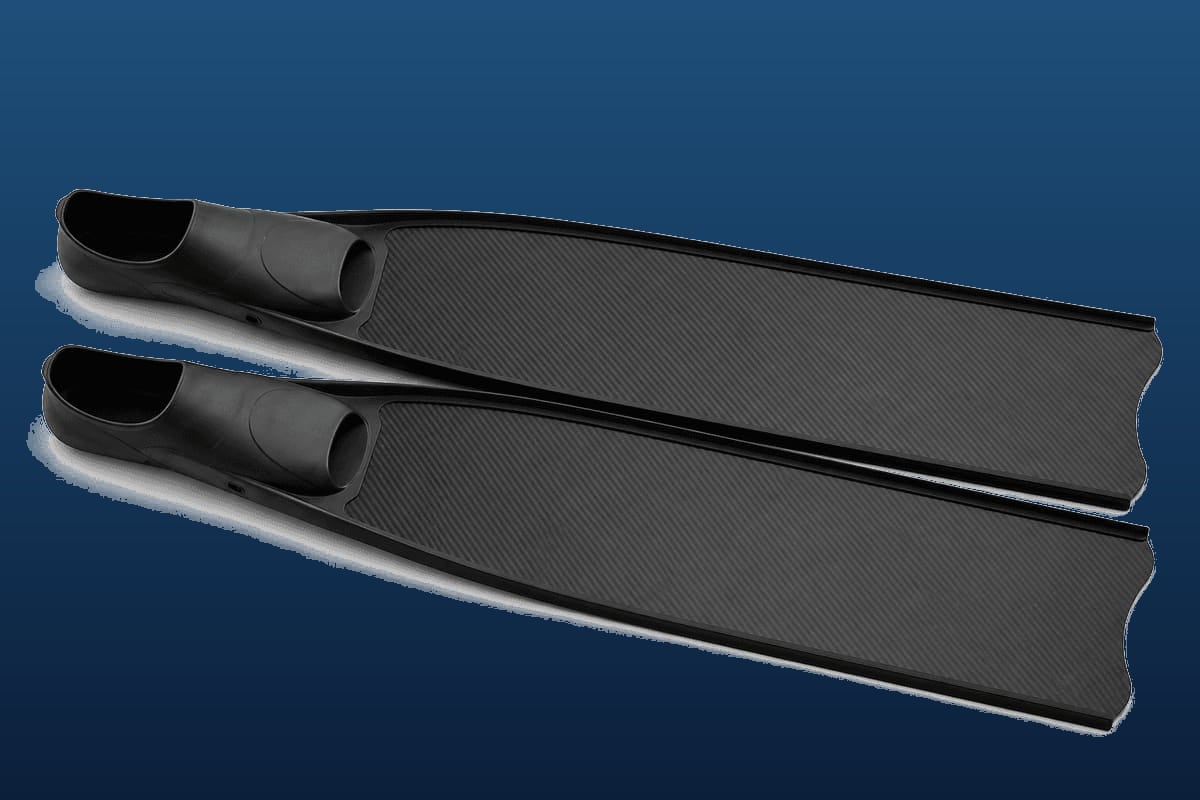
Freediving fin design is more specialized than most divers expect. Unlike scuba fins, freediving blades are long and set at an angle to the foot pocket (22 degrees on the Mares Razor Pro and SEAC Motus, 29 degrees on the Cressi Gara Modular Impulse), built to turn a slow kick into forward movement. The material (plastic, fiberglass, or carbon fiber) determines how the blade flexes and how much it weighs.
Use the guides below to understand what separates blade types, how to size a foot pocket over the socks you wear, and where to start depending on how serious you plan to get.
6 guides on fins.
Quick Fin Selector
Just Starting
Polymer long fins, $119.95 to $157.95 at October 2026 US list prices: the Cressi Gara Professional LD, Cressi Gara Modular or Mares Razor Pro. A soft blade is the easiest place to learn the kick.
Intermediate
Fiberglass blades, from €120 for Leaderfins fiberglass bifins to $400 for Molchanovs SPORT Bifins 3 Fiberglass. If you already own a Cressi Gara Modular, Cressi's other long blades fit its pocket. (The SEAC Motus and Gara Modular themselves are polymer fins.)
Serious Depth / Competition
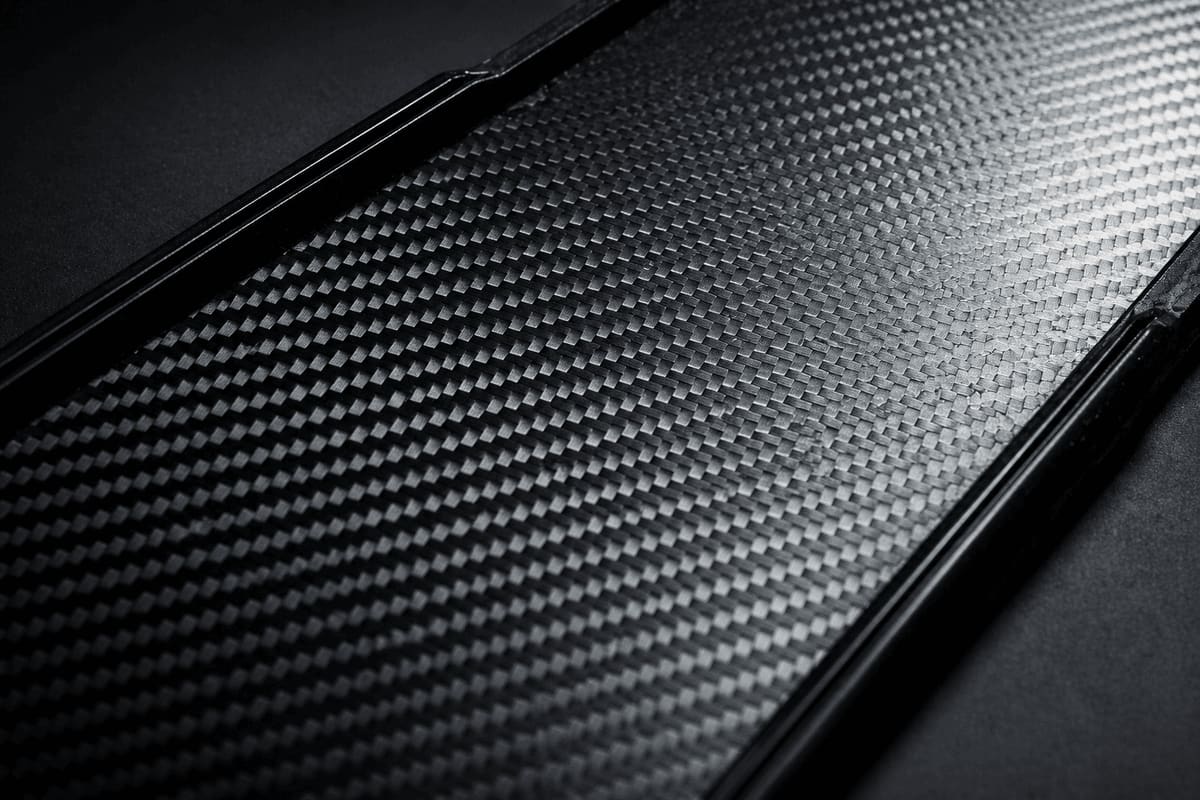
Carbon fiber: Molchanovs SPORT Bifins 3 Carbon ($505) or PRO Bifins 3 Carbon ($800), or Cressi's Gara Modular carbon blade ($289.95 per blade) on a Gara pocket. Molchanovs says the gap between its fiberglass and carbon blades is very small for most freedivers.